Diabetes guide
The diabetes plate method
See how the plate method can help you plan balanced meals.
Fight Diabetes For Good editorial desk · Last reviewed:
Start with a plate you already use
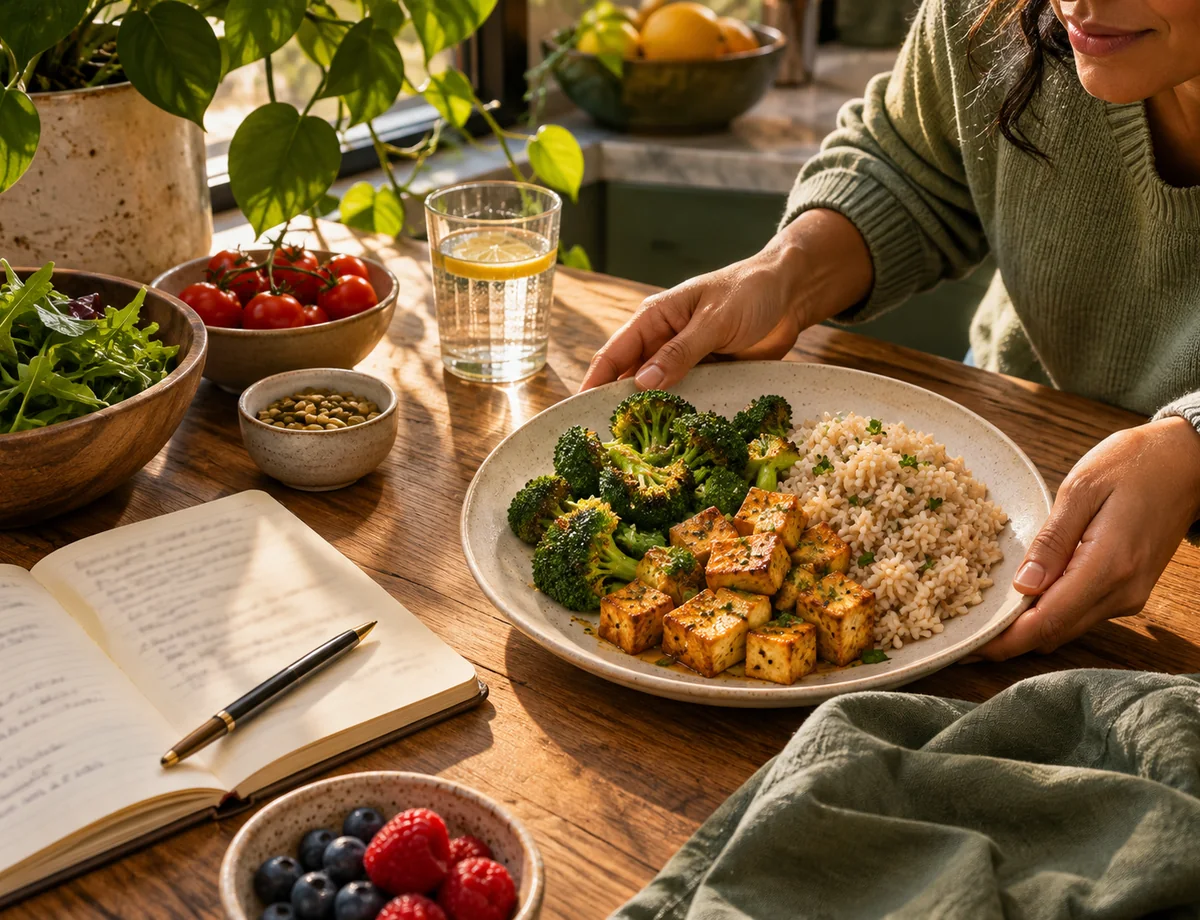
The CDC uses a nine-inch plate to show one way to build a meal. Fill half with nonstarchy vegetables, one quarter with lean protein, and the other quarter with carbohydrate foods. Have water or another unsweetened drink if that fits your plan. Think of the divisions as a picture you can use while cooking, shopping, or deciding what to order.
Plate size matters if you want to use the illustration as a starting point. A very large plate can hold much more food in each section. If your usual dinner plate is large, try a smaller one or serve your usual amount first and use the visual proportions as a guide. Your clinician or registered dietitian can help you decide what portions fit your own nutrition needs.
What can go in each section?
- Half for nonstarchy vegetables. Try broccoli, green beans, zucchini, peppers, leafy greens, cabbage, or a mixture of frozen vegetables.
- One quarter for protein. Try tofu, eggs, fish, or lean poultry. Beans can provide protein and carbohydrate. Ask how to count them if you have a carbohydrate target.
- One quarter for carbohydrate foods. Try brown rice, corn, potatoes, whole-grain pasta, or another starch you enjoy. Fruit, milk, and yogurt also contain carbohydrates, so ask how those foods fit your meal plan.
Use foods that fit your budget and taste. Frozen vegetables can make the half-plate section easier when fresh produce is expensive or you cook for one. A bag of greens or chopped cabbage can work when you have little time. Choosing ingredients you will actually use makes it easier to repeat the plan.
Try three ordinary meals
Roasted tray dinner. Put broccoli and cauliflower on one side of the pan, tofu on the other, and cook a grain separately. When you serve, look at the amount of each item on the plate. Save the leftovers for a lunch bowl with a different seasoning.
Lunch bowl. Start with greens and chopped cucumber, add cooked chicken or tofu, then spoon in brown rice. If you are using a dressing, check the label for the serving size and ingredients if those matter for your plan. Change the vegetables based on what you have available.
Breakfast plate. Try scrambled eggs or tofu with sautéed peppers and mushrooms, and add a slice of whole-grain toast. If a full plate is more than you usually eat in the morning, ask your dietitian how to use the same idea in a smaller meal. Our breakfast guide has more combinations.
Use the idea for bowls, soups, and mixed dishes
For a stew or casserole, picture the main ingredients separately. Ask how much of the meal is vegetables, how much is protein, and where the carbohydrate foods are. If a soup is mostly noodles, you could serve it with a salad and add a protein you like. If you make a rice and bean dish, check with your care team on how to account for both ingredients if you need to count carbs.
When ordering a meal, choose a dish you enjoy and look for one adjustment that fits your plan. That might mean adding a vegetable side or asking for rice to come separately so you can serve the amount you want. If the serving is bigger than you want at one meal, consider taking some home when you can store it safely.
Keep weight, volume, and carbohydrate separate
A kitchen scale measures food weight. A measuring cup measures volume. Carbohydrate grams on a label describe the amount of carbohydrate per stated serving. To make the label useful, check whether you have the same amount of food as the serving shown. If you use a food scale, check whether the label refers to the food as sold or as prepared.
Ask your healthcare team whether you need to count carbohydrates. If you use insulin with meals, follow your prescribed plan and ask how the plate method can work with it. Your care team can also adapt the method if you have kidney disease, food allergies, pregnancy, or another need that affects what you eat.
Plan a week without cooking seven different dinners
Choose two meals you can make on a busy day, one meal you are happy to repeat, and one backup meal you can assemble from the freezer or pantry. Write down which ingredients can work twice. For example, use broccoli with dinner one night and tuck leftovers into a lunch bowl the next day. If you pack lunches, food storage containers can help keep ingredients together until you are ready to serve them.
Write a short shopping list before you go to the store. Start with produce and protein, then add the starches or other carbohydrate foods you want to serve with them. Check what is already in the fridge and pantry. After a few days, notice which meals were easy to prepare and which went uneaten. Use that information to plan the next week.
The plate method is most useful if you can recognize meals you already like in the plan. If you are unsure how a favorite dish fits, write down its ingredients and ask a dietitian to walk through it with you. Bring up questions about portion sizes, timing, and what to do when you eat away from home.
Common questions
Do I need to buy a special plate?
No. An ordinary plate works. The CDC uses a nine-inch plate to demonstrate the proportions.
How do beans fit the plate method?
Beans supply both protein and carbohydrate. Ask your dietitian how to count them if you use a carbohydrate target or insulin plan.
Does the plate method give me a carb target?
The plate is a visual guide. Your care team can tell you if you need a specific target and how to use food labels with it.