Diabetes guide
Newly diagnosed with diabetes
Put together a short list of questions for your first follow-up.
Fight Diabetes For Good editorial desk · Last reviewed:
Get the diagnosis and next visit in writing
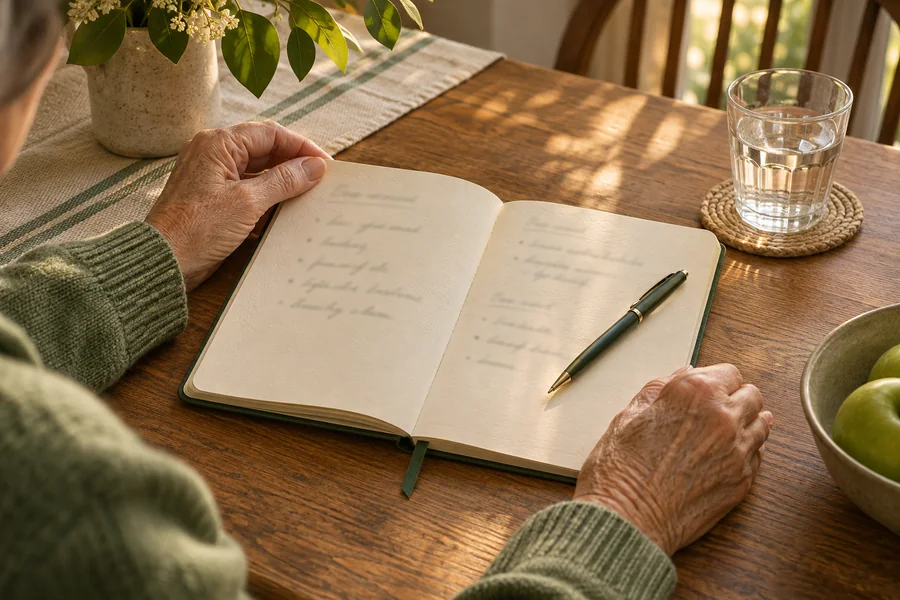
New information can be hard to remember after an appointment. Ask the clinic for a copy of the visit summary, the type of diabetes they think you have, and your recent lab results. Write down your next appointment and who to contact with questions. If the diagnosis is uncertain or another test is planned, ask when you should expect the result and how it will reach you.
Find out which parts of the plan need your attention today. These may include filling a prescription, learning to use a meter, or arranging diabetes self-management education. Ask someone you trust to come to the next visit or help you take notes if that would make the plan easier to follow.
Bring a one-page list
Include every medicine and supplement you take, the directions on the label, and any doses you have missed recently. Add over-the-counter items and products you use only sometimes. A photo of each label can help if you do not know the exact name. If you were asked to check glucose, bring a meter report or a paper log showing your readings and when you took them.
Add a few details about your schedule. If you work nights, eat at different times, or travel often, tell the team what your usual week looks like. It is easier to plan a routine when your clinician understands when you can get to a pharmacy, where you usually eat lunch, and who can help if a problem comes up.
Ask for a care plan you can use at home
- Medicines. Ask what each one does, when to take it, how to get refills, and whom to call about side effects or missed doses.
- Monitoring. Ask whether to check at home, when to check, what range is appropriate for you, and what to do when a reading is outside that range.
- Follow-up. Ask when to repeat your A1C and what eye, kidney, and foot checks are due.
- Support. Ask about diabetes education, nutrition support, and help getting medicines or supplies you can afford.
Read the instructions back in your own words before you leave. A useful plan explains what to do and when to call. If the instructions say “check before meals,” ask which meals, how often, and what to do with the result. If a prescription arrives with different directions from what you remember, check with the prescriber or pharmacist.
Know what to do about a low
Insulin and some other glucose-lowering medicines can cause low blood sugar. Ask whether this applies to you, what symptoms to look for, what supplies to have on hand, and how to use your own low-glucose plan. Ask a trusted person to learn the plan with you if your team recommends it. Severe lows can make it impossible to help yourself, so ask when to call emergency services and whether you should have glucagon.
Also ask for instructions for sick days. Bring up the kinds of illness or problems that are common for you, such as vomiting or trouble keeping food down. Ask what to check, when to call, and how to get urgent help. Store the instructions where you can find them easily on a day when you feel unwell.
Start with a manageable meal or activity routine
Pick a meal you already eat and see how it fits the plate method. You might add a vegetable to a meal you already like or plan which leftovers to pack for lunch. Take notes about what you enjoy, what is affordable, and what you have time to cook. Bring those notes to a dietitian or diabetes educator so they can help you make the plan work.
Ask whether there are any restrictions or precautions before starting a new exercise routine. If your team says walking is appropriate, choose a route and length that feel manageable. The walking guide has questions about footwear, lows, and alternatives when walking is difficult.
Put supplies and reminders where you use them
Keep your clinic phone number and next appointment date in the same place as the plan. Set a refill reminder that gives you time to call the pharmacy. If you are considering a weekly pill organizer, check with your pharmacist first. Some medicines need to stay in their original packaging. Use the label or written plan to set up the organizer and ask what to do if the pharmacy changes a tablet or directions.
At your next appointment, explain what was easy and what got in the way. If you did not understand a reading, bring the number with the time and what was happening that day. If a tool was uncomfortable or difficult to use, ask to see another way to do the same task. Bring up costs, stress, and sleep if they are affecting your routine. Those details give the team more to work with than a list of numbers alone.
Give yourself a place to write down new questions as they come up. It might be a note in your phone, a piece of paper next to your medicines, or a message you send to yourself. Put the most urgent question first and check whether it should wait for the next visit or whether you should call sooner.
Common questions
What is the first thing to ask after a diagnosis?
Ask which type of diabetes you have, what needs attention today, and who to call if you are unsure about your instructions.
Do I need to buy a glucose meter right away?
Ask your healthcare team whether you should monitor at home and which equipment and supplies they recommend. They can show you how and when to use it.
How can I get help learning the basics?
Ask about diabetes self-management education and support. Your clinic can tell you what is available and how to get a referral.